AMAL
Amal Fuels

Thermal coal, metallurgical coal, and met coke for industrial heat and steelmaking.

Review origin options, indicative specifications, coal applications, coking coal blend roles, and coke sizes before sending an enquiry.

Thermal coal

Origin options for power, cement, boilers, and process heat.

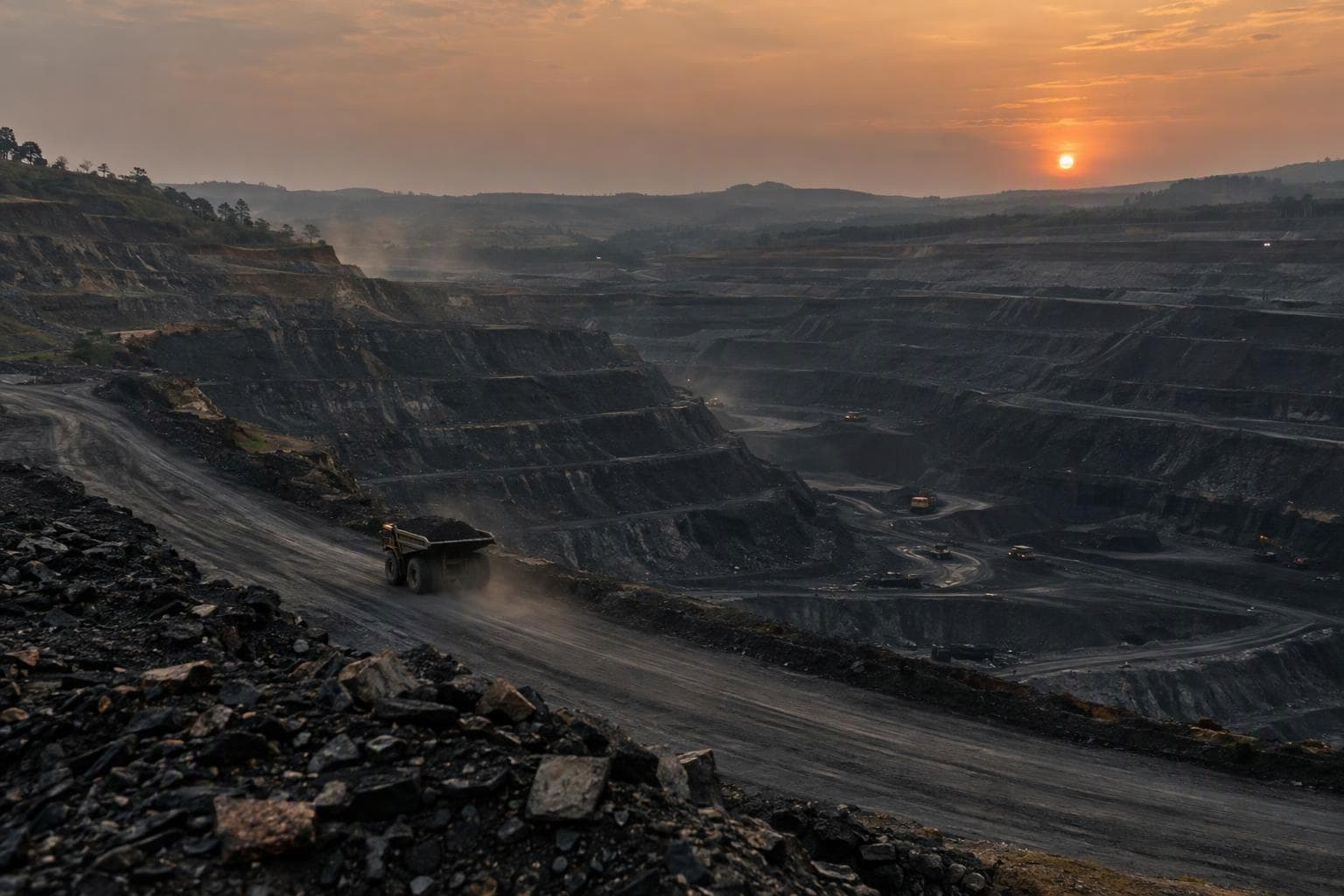
Amal Fuels supports buyers comparing imported and domestic coal options by calorific value, moisture, ash, sulphur, sizing, and intended application.

Indonesian coal
Indonesian coal
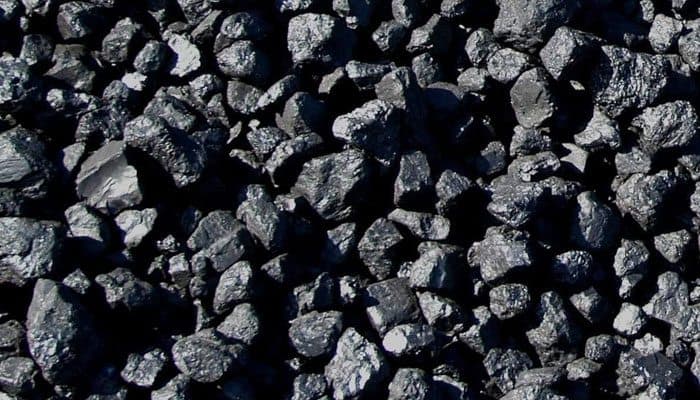
Known for consistent quality, low ash content, and efficient combustion properties. Used across power generation, cement manufacturing, textile processing, paper industries, and other process heat applications.

Available across different calorific values and specifications based on buyer requirement.

South African coal
South African coal
Recognized for superior calorific value, reliable combustion characteristics, and broad industrial acceptance through Richards Bay linked grades.

Commonly requested by power, cement, sponge iron, and industrial boiler buyers.

US coal
US coal
High energy coal with low moisture levels and consistent standards from established international supply chains, including NAPP seam references.

Used in power generation, cement manufacturing, and industrial applications that require stable heat value.

Indian coal
Indian coal
A cost-effective domestic fuel option for power generation, cement, sponge iron, steel, and general industrial applications.

India has large reserves of primarily non-coking coal with coking coal available in selected regions.

Russian coal
Russian coal
High calorific value thermal coal with low ash characteristics and competitive market pricing for power, cement, steel, and industrial users.

A practical option for buyers seeking international coal supply alternatives.

South African coal grades
Common Richards Bay grade references and applications.
GradeGross calorific valueTypical applications
RB16000 kcal/kg GARPremium power generation and industrial applications
RB25500 kcal/kg GARPower plants, cement industries, industrial boilers
RB34800 kcal/kg GARCement plants, sponge iron, manufacturing industries
RB44200 kcal/kg GARIndustrial boilers and cost-effective fuel requirements
South African typical limits
Indicative ash, moisture, and sulphur ranges for enquiry screening.
GradeAshMoistureSulphur
RB1Ash <= 15%Total moisture <= 12%Sulphur <= 1.0%
RB2Ash <= 18%Total moisture <= 14%Sulphur <= 1.0%
RB3Ash <= 25%Total moisture <= 16%Sulphur <= 1.0%
RB4Ash <= 30%Total moisture <= 18%Sulphur <= 1.0%
US coal NAPP reference specs
High-energy US coal reference values for buyer conversations.
ParameterReference value
GCV - ADB~7,650-7,750 kcal/kg
NAR - ARB~6,950-7,200 kcal/kg
Total moisture7.0%-8.5% ARB
Inherent moisture1.5%-2.5% ADB
Ash content7.0%-8.5% ARB
Total sulphur2.5%-3.2% ADB
Volatile matter36%-40% ARB
Fixed carbon~48%-50% ARB
Sizing0-50 mm pulverised grading
Indian coal overview
Coal types and common industrial uses.
TypeGCV / CVMajor use
AnthraciteHighestLimited availability, including J&K references
BituminousHighSteel industry and higher energy applications
Sub-bituminousMediumThermal plants and industrial fuel
LigniteLowPower generation
Metallurgical coal

Coking coal for coke making and blast furnace performance.

Coking coal is selected for its ability to carbonize into coke, providing both fuel and reducing-agent performance in integrated steelmaking.

Coking coal blend roles
How each coal type contributes to a steelmaking blend.
Coal typeFixed carbonVMCSRBlend role
Hard coking coal85%-90%20%-25%>60%Backbone of the blend; provides maximum structural strength
Medium coking coal80%-85%25%-32%50%-60%High fluidity; helps bind other coals during heating
Semi-soft coking coal75%-80%32%-38%<50%Filler coal for cost control and blend flexibility
PCI coalVariable10%-40%N/APowder injection to reduce coke costs
Indian coking coal grades
Indicative ash bands and quality insights.
GradeAsh specificationQuality insight
Steel Grade I< 15% ashPremium quality; often requires minimal washing
Steel Grade II15%-18% ashStandard metallurgical quality for Indian furnaces
Washery Grade I18%-21% ashRequires cleaning before steelmaking use
Washery Grade II21%-24% ashOften used as a blend component
Washery Grade III/IV24%-35% ashUsed in smaller plants or power generation
Imported coking coal regions
Common sourcing regions and grade types for imported metallurgical coal.
CountryKey mines / regionsCommon grade types
AustraliaQueensland Bowen Basin: Moura, Peak Downs, GoonyellaPrime hard coking coal and soft coking coal
United StatesAppalachia: Alabama and West VirginiaHigh-volatile and hard coking coal
CanadaBritish Columbia: Elkview and Fording RiverStandard coking coal
RussiaKuzbass regionMetallurgical grades used as substitute blends
MozambiqueTete Province: Moatize and MabuHard coking coal
Met coke

Sized coke grades for furnace stability and heat transfer.

150-200 mm / 100-150 mm
Large blast furnace coke
Designed for large blast furnace operations where high mechanical strength, permeability, and stable furnace support are essential.
60-80 mm
Medium furnace coke
Used in medium-sized blast furnaces and foundries for balanced strength, combustion efficiency, and heat distribution.
40-60 mm
Small furnace coke
Suitable for smaller industrial furnaces and cupola operations that need uniform heat generation.
5-30 mm
Nut coke
Used in sinter plants, ferro alloy production, and smaller furnaces for efficient combustion and heat transfer.
Metallurgical coal
Metallurgical coal
Coking coal for coke making and blast furnace operations, supporting steel production through strength, carbonization, and reducing-agent performance.
HCCSSCCPCI
Met coke
Met coke
Sized coke grades for blast furnaces, foundries, sinter plants, and ferro alloy units that require stable heat and mechanical strength.
150-200 mm60-80 mm5-30 mm